
Cartoonist Charles M. Schulz, best known for the comic strip Peanuts, was born on this day in 1922 (he died in 2000. Boy, did this century get off on the wrong foot!) Schulz explains his artistic philosophy in this 1961 interview:
Here's a collection of Peanuts strips. I've tried to make them as large as I can, but, if you really want to avoid eye strain, it's best to click to enlarge.
Schulz mentioned losing as being integral to his comedy. No where was this more evident than when he turned his pen toward the...

...American Pastime:


Of course, baseball's not the only game out there, so let's see if these natural born athletes fare any better at football:

Um...With all due respect to my international audience, I meant...

...American football:


OK, these are competitive sports, but what about a sport...

...where your only competition...

...is a tree?
There are other types of games a person can win or lose at, such as...
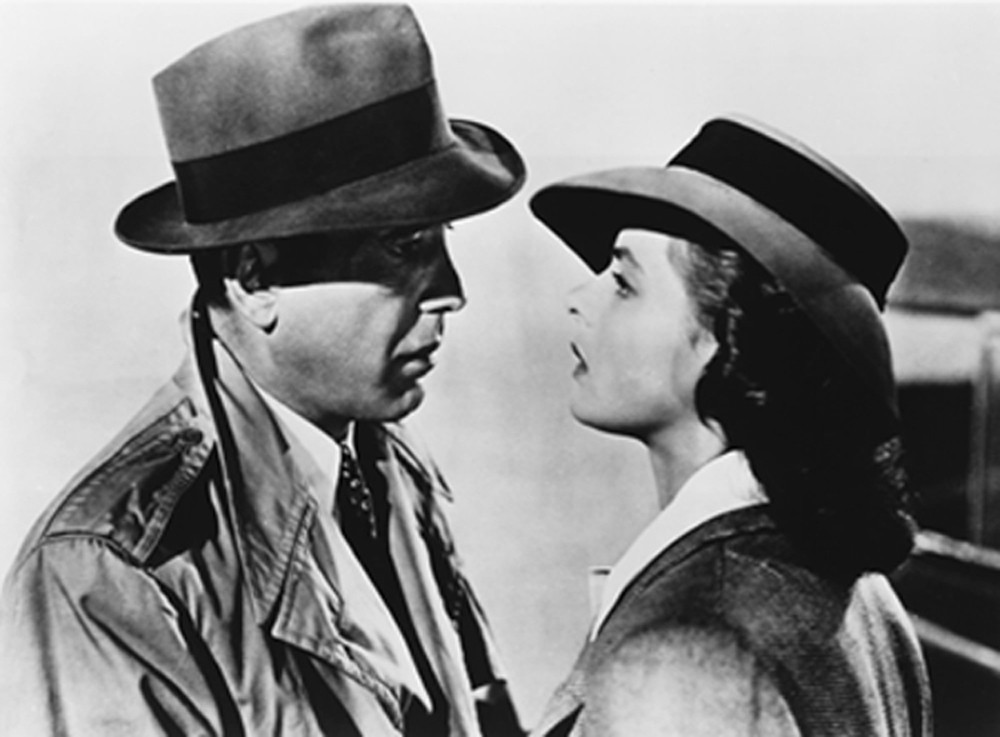
...the game of love:


Before we leave this subject entirely, how about...

...a May-December romance?

Let's look at some of the characters. We'll start with Lucy:


Not exactly Miss Congeniality, is she?

Lucy's brother, Linus, has issues of his own:


I know what you're thinking. That kid needs a 12-step program. Well, before you get too judgemental, remember what they say about people who live in...

...glass houses

That baby girl in the previous strip is Charlie Brown's kid sister, Sally. Like Schroeder and Linus, who also started out as infants, she quickly grows into an elementary school-age child, and then, like Schroeder and Linus, stays that same age forever after. She also becomes the strip's show-and-tell diva:


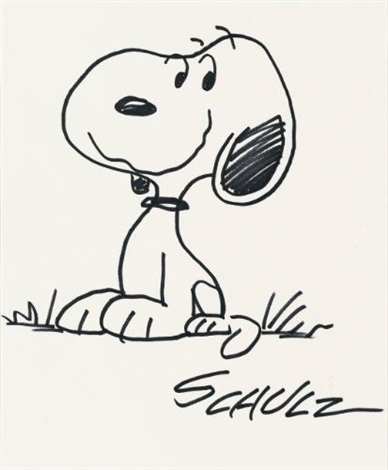
Curiously, in the video clip Schulz doesn't mention Charlie Brown's pet beagle Snoopy, who often seemed to vie with his owner for control of the strip. But that interview is from 1961, and Snoopy's best years were still ahead of him. First he had to go to...


...war.

Maybe not Snoopy, but someone eventually shot him down.
Once the war was over, Snoopy found various ways to keep himself...


...occupied.

Now, why am I showing you a rock concert? As a way of presenting another one of Snoopy's pastimes...


...birdwatching.

Schulz didn't mention galpals Peppermint Patty and Marcie either in that 1961 interview, but that's because their respective debuts were still years away. But here they are now:


Peppermint Patty seems to be the dominant one in that relationship, though there's something to be said for Marcie's passive-aggressiveness.

Then there's the star of Peanuts, good ol' Charlie Brown. He's been in so many strips I've shown you already that you should have a pretty good take on him by now. If you still don't, well...

...maybe this one will help.
Now, Schulz said in that interview humor should have a message. So, what was Peanuts message? Was it...

...political?
Or maybe it was...

...religious?
Perhaps it was...
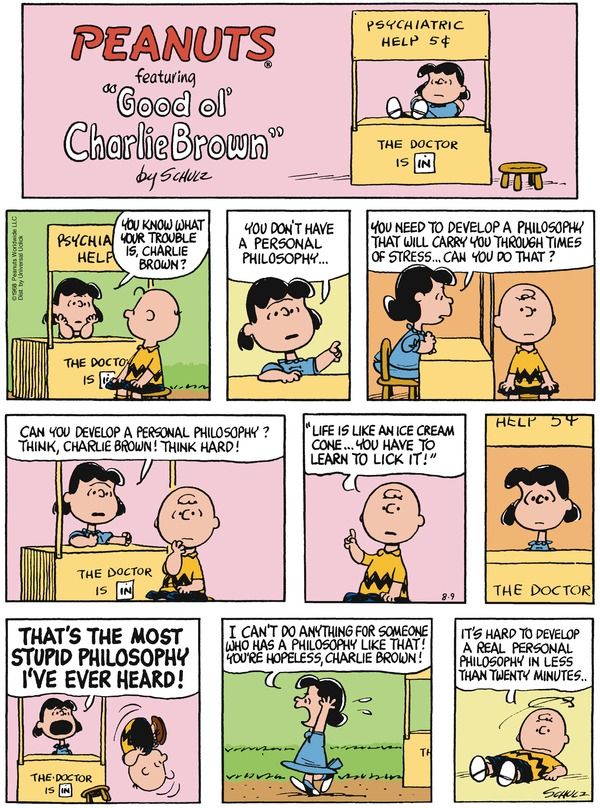
...psychological?
Maybe it's just that we should all learn to...

...get along.

One thing's for certain, this is a strip about prepubescent children, so that means good, clean fun, and no...


...explicit sex.


Explicit violence is another matter.
Then there are those who deny that Peanuts ever had a message, that it was nothing more than a...



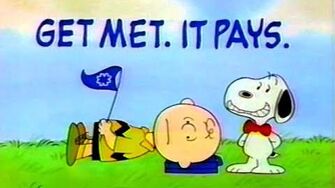

...marketing tool.

Charles M. Schulz went to his grave without ever having secured the ownership of his strip's copyright. Among other things that meant he had to step back and watch as others turned his creation into a Fortune 500 company. Now, that doesn't necessarily make him a good poster child for the exploitation of labor. Schulz was well-compensated and became very rich doing all that stepping back and watching. What he didn't do, though, was take the money and run. Not a dime of the fortune was spent on a team of assistants who could have penciled the strip for him, inked the strip for him, write the strip for him, even add his signature to bottom of the final panel for him, while he played golf on some course on Oahu. Factories may have spit out plush Snoopy dolls by the shopping cart, but the strip itself remained handcrafted (as old age set in, shakily handcrafted) until almost the very end. Only a stroke necessitated computerized lettering in the last few daily strips. But what about the strip's content? Was that compromised at all? Impossible to say as we don't have a fifty-year run of a noncommodified Peanuts to use as a comparison. Schulz himself was cagey when the subject came up in interviews, insisting that a comic strip shouldn't be considered "Great Art" to begin with. Except his strip was considered by many to be just that, for a long time the only one to be considered just that, which is why nobody also cared about the integrity of stuffed Garfield dolls or also worried about whether a Marmaduke movie was faithful to the original source material. In our frequently dumbed-down commercial culture, Peanuts at least remained stubbornly cerebral enough to confound any MBA who wanted to exploit its possibilities to the fullest. Indeed, seen in that light, it even may have been underexploited. Don't believe me? Go back and reread that one Great Pumpkin strip. What exactly is the marketing strategy behind "point of doctrine"?
Still, was there a message? In that 1961 clip, Schulz did say Peanuts had something to do with the cruel ways children (just children?) treat each other, and that Charlie Brown often takes the brunt of that cruelty. Here's but one example:

The human condition in a nutshell.


